

Explore the Lexington Sites of the Midnight Ride of Paul Revere
January 28, 2025
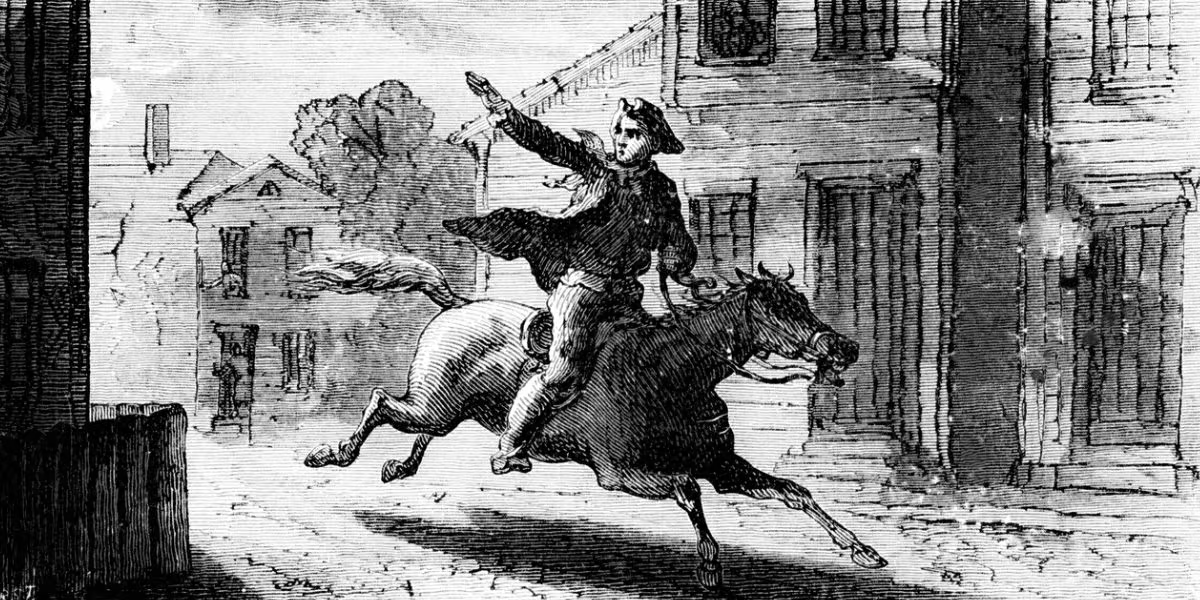
Paul Revere is one of the most significant figures of the American Revolution. Learn more about his midnight ride and some of the sites in Lexington that played an important role.
What Happened During Paul Revere’s Midnight Ride?
On April 18, 1775, Revolutionary War hero and military officer Dr. Joseph Warren ordered Paul Revere to ride on horseback to alert the colonial militia and the Sons of Liberty that British forces were preparing to move from Boston and make their attack northwest in both Lexington and Concord, MA. Warren believed that the British troops were planning to capture two leaders of the Sons of Liberty, Samuel Adams and John Hancock. Then, the troops would continue toward Concord and capture the militia’s gunpowder and ammunition.
So Paul Revere enlisted help from an unnamed man to set the famous signals in the Old North Church, “one by land, two by sea,” while he traveled from Boston to Lexington, joined by other riders William Dawes and Dr. Samuel Prescott. Revere left at 11 pm and arrived in Lexington just after midnight.
Lexington Sites of Significance During Paul Revere’s Ride
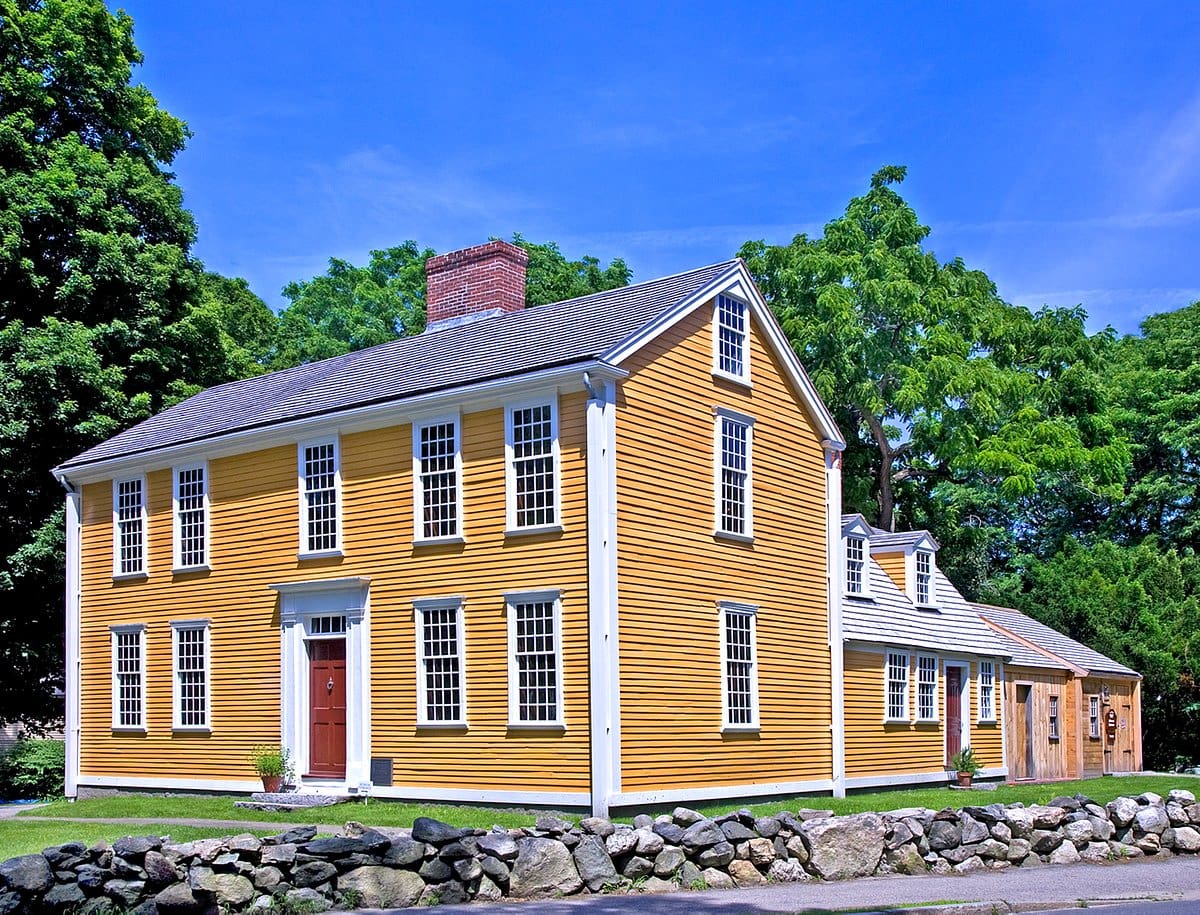
Hancock-Clarke House
This is the site where Paul Revere arrived at midnight to warn John Hancock and Sam Adams that the “Regulars are out.” Hancock and Adams had attended the Massachusetts Provincial Congress in Concord and instead of returning to Boston out of fear of being captured, they decided to stay as guests at the Hancock-Clarke home.
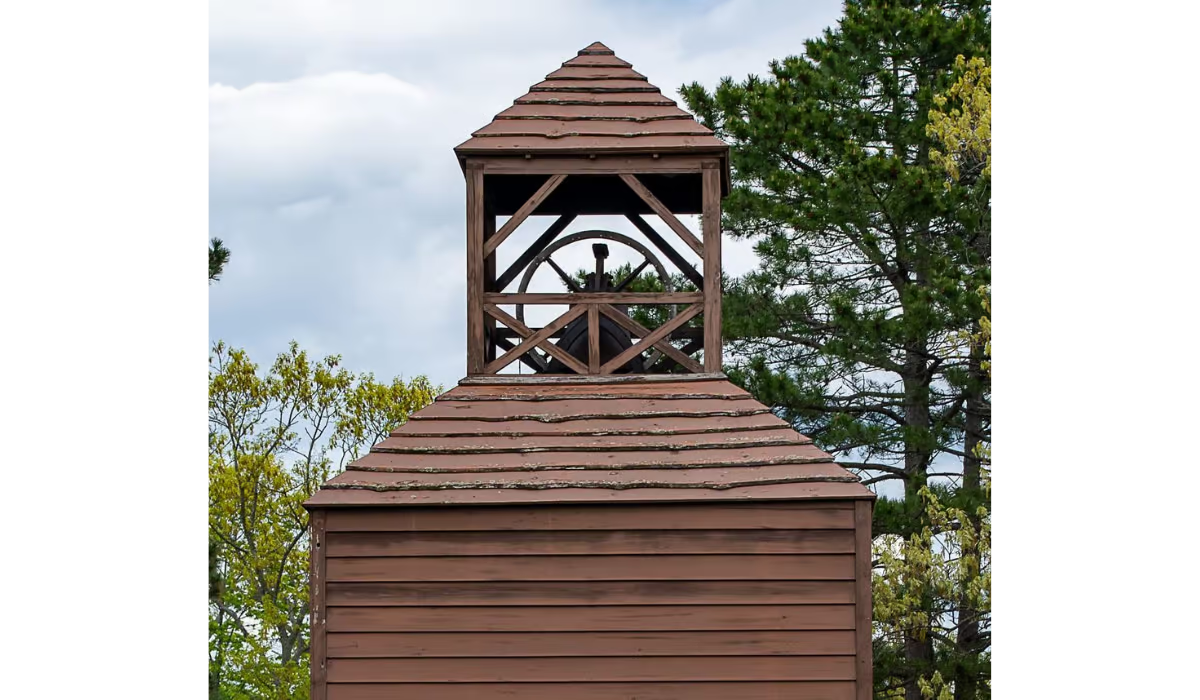
The Belfry
The Belfry is a key landmark connected to Paul Revere and the opening moments of the American Revolution. From this belfry, the alarm bell was rung on April 19, 1775, warning the Lexington militia of the British troops’ advance, a tie to Paul Revere’s midnight ride and the Battle of Lexington and Concord.
The Battle Road Trail
The Battle Road Trail at Minute Man National Historical Park runs through Lincoln, Lexington, and Concord. Paul Revere was captured on this trail in Lincoln, MA. He was detained, questioned, and then released several hours later. The capture site includes a plaque and informational panels for visitors to learn more about Paul Revere’s Midnight Ride.
Read the Famous Poem
Henry Wadsworth Longfellow’s poem “Paul Revere’s Ride,” published in 1860, played a significant role in shaping popular memory of Paul Revere and the events leading up to the Battle of Lexington and Concord. Although the poem simplifies history and omits other riders, it vividly dramatizes the urgency of the alarm spread on April 19, 1775. Longfellow’s verse helped cement Lexington’s place in American Revolutionary lore and remains one of the most influential literary works connected to Paul Revere’s midnight ride.
“LISTEN, my children, and you shall hear
Of the midnight ride of Paul Revere,
On the eighteenth of April, in Seventy-five;
Hardly a man is now alive
Who remembers that famous day and year.”
To read more of Longfellow’s poem, visit https://www.paulreverehouse.org/longfellows-poem/.