


Following Henry Knox’s Trail, 250 Years Later
January 19, 2026

In the winter of 1775–1776, one of the most extraordinary journeys of the American Revolution took place: Henry Knox’s Noble Train of Artillery. In just under two months, Henry Knox’s transport of artillery from Fort Ticonderoga to General George Washington’s army outside Boston was completed.
Today, as we celebrate the 250th anniversary of the American Revolution, that journey is being honored in a unique and personal way. A local historian and walker, Chris, along with two longtime friends, is retracing Knox’s route step by step.
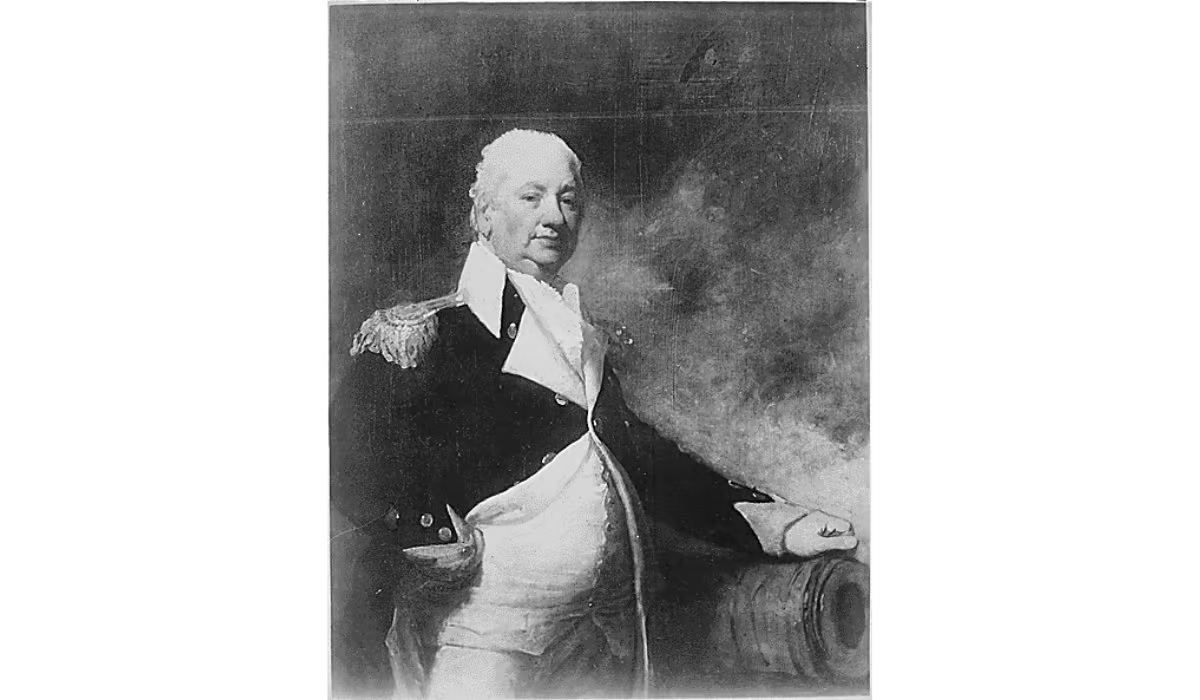
Henry Knox’s Winter March
In late 1775, the Continental Army faced a serious problem. While Washington’s forces surrounded British troops in Boston, they lacked the heavy artillery needed to break the stalemate. The solution came from Henry Knox, a 25-year-old bookseller-turned-artillery officer with bold ideas and unwavering determination.
Knox proposed transporting more than 50 cannons, mortars, and howitzers (captured earlier that year at Fort Ticonderoga) over nearly 300 miles of rugged terrain, in the dead of winter. The route wound through what are now New York, Vermont, New Hampshire, and Massachusetts.
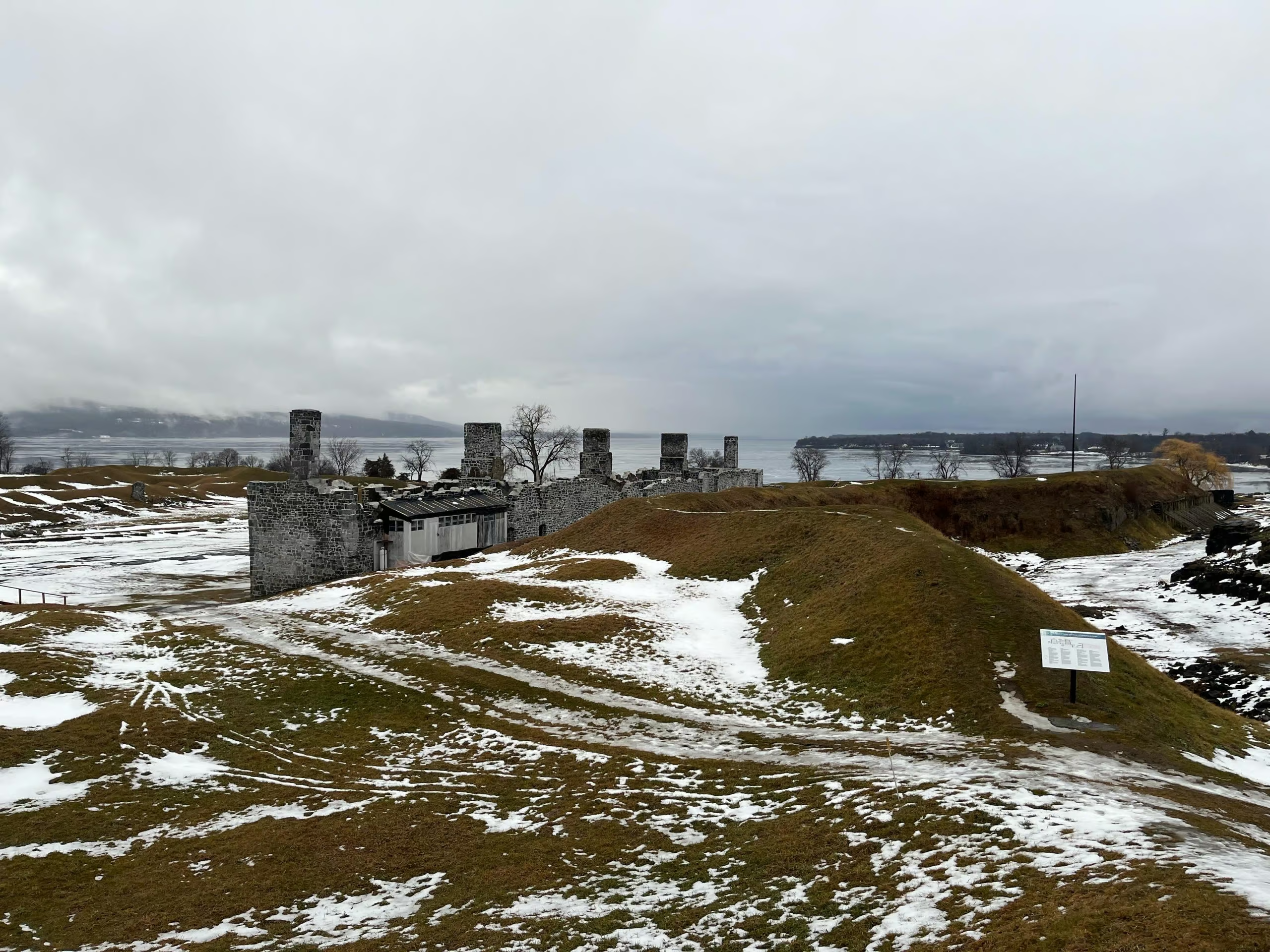
Between November 1775 and January 1776, Knox and his detachment moved this “Noble Train of Artillery” using ox-drawn sledges, wagons, frozen rivers, and sheer persistence. They battled snowstorms, thinning ice, broken equipment, and steep hills through a seemingly impossible mission.
When the artillery finally reached Washington’s army, the cannons were placed on Dorchester Heights overlooking Boston. Faced with this new threat, British forces evacuated the city in March 1776. “Evacuation Day” became a turning point that secured Boston for the Patriot cause and demonstrated that the Continental Army could outthink and outmaneuver the British.
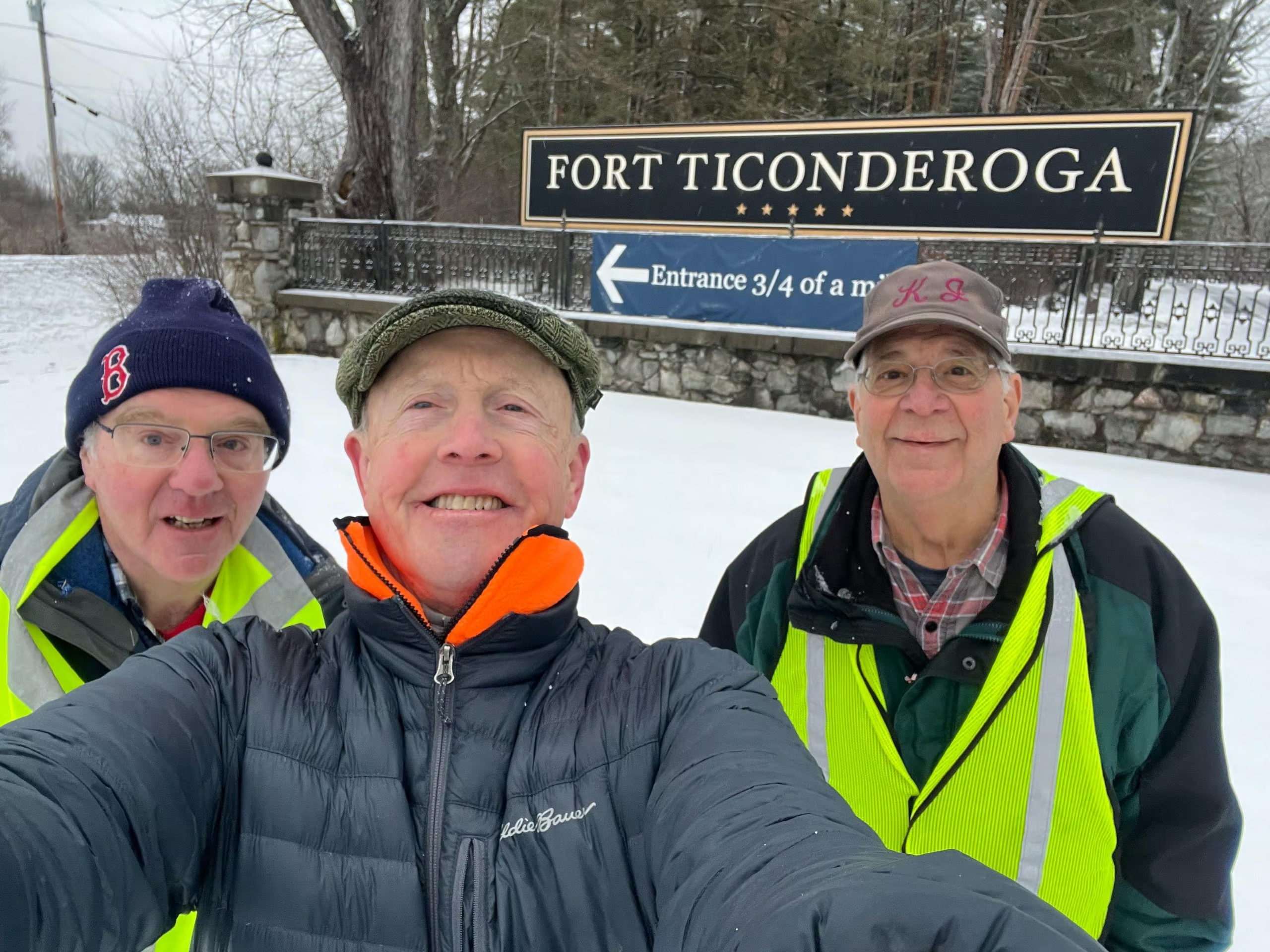
Recreating Knox’s Journey
Fast forward nearly 250 years, and three friends, Chris Leary, Joe DiGiovanni, and Paul Dwyer, are recreating Knox’s incredible journey.
Leary shared:
In 2023, we three Boston-area men began to walk the path of Henry Knox’s Noble Train of Artillery.
Knox’s 1775-76 route near Boston practically passes by our front doors. So one day over breakfast,
we thought: “we could do this”.Our blog, “Instepwithhistory.com” tells the stories of our Knox Walks. Over two dozen in total, the walks have required commitment; challenging ways to honor the man and his mission. Two-hundred fifty year later, we hope our way of saluting Henry Knox and his critically-timed Train of Artillery has meaning today.
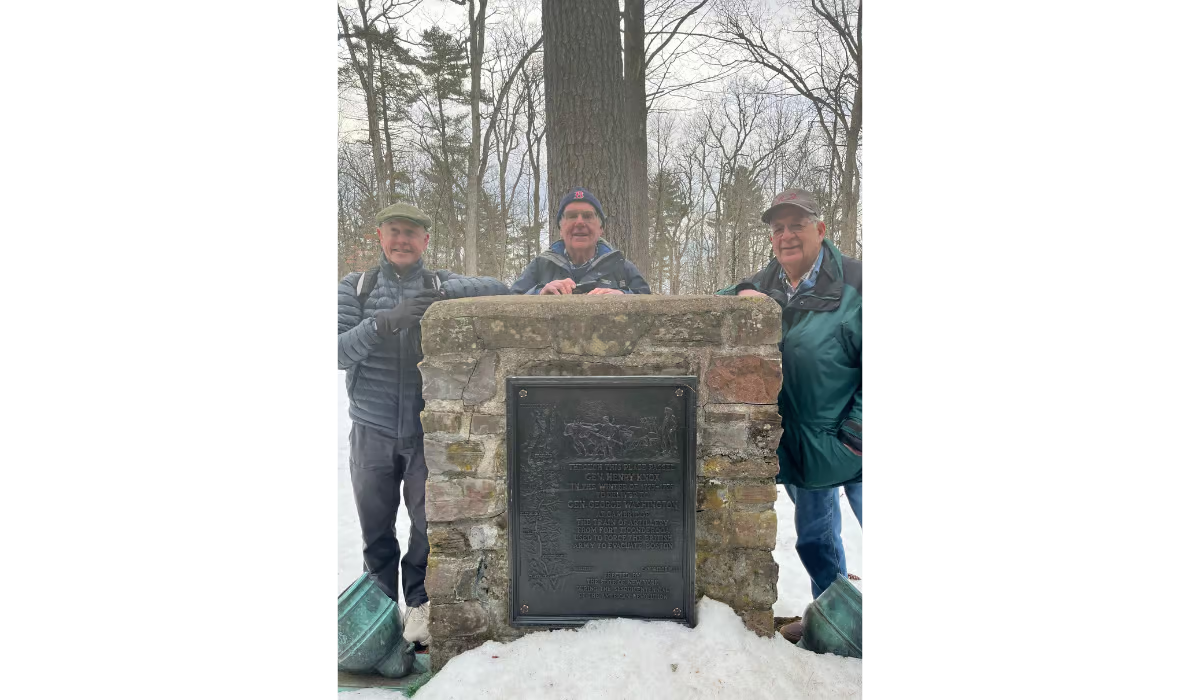
For visitors to Lexington today, the events of the American Revolution and their related sites offer a powerful reminder that the town’s legacy extends beyond April 19, 1775. And with the 250th anniversary, projects like Chris’s walk highlight why these stories still matter, reminding us that history is shaped by individuals willing to take risks and act, even when the outcome is uncertain.
Be sure to visit instepwithhistory.com for more details and updates on Knox Walks.