

Must-Visit Museums & Galleries in Lexington, Massachusetts
September 1, 2026
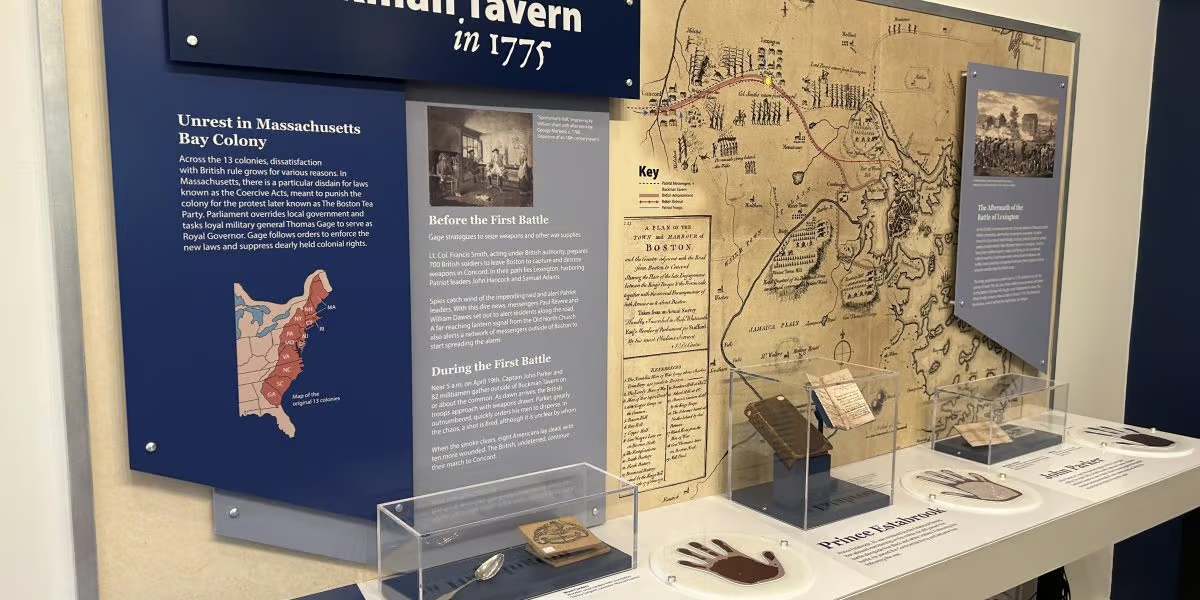
Lexington may be best known as the birthplace of American liberty, but there’s much more to discover here than a single chapter of the American Revolution. Step inside centuries-old taverns, learn about the people whose lives intersected with the events of April 19, 1775, explore unique exhibitions, and make time for Lexington’s thriving arts community along the way.
Whether you’re planning a history-filled day trip from Boston or adding a museum or two to a longer stay, these must-visit museums and galleries offer plenty of reasons to slow down and explore the town:
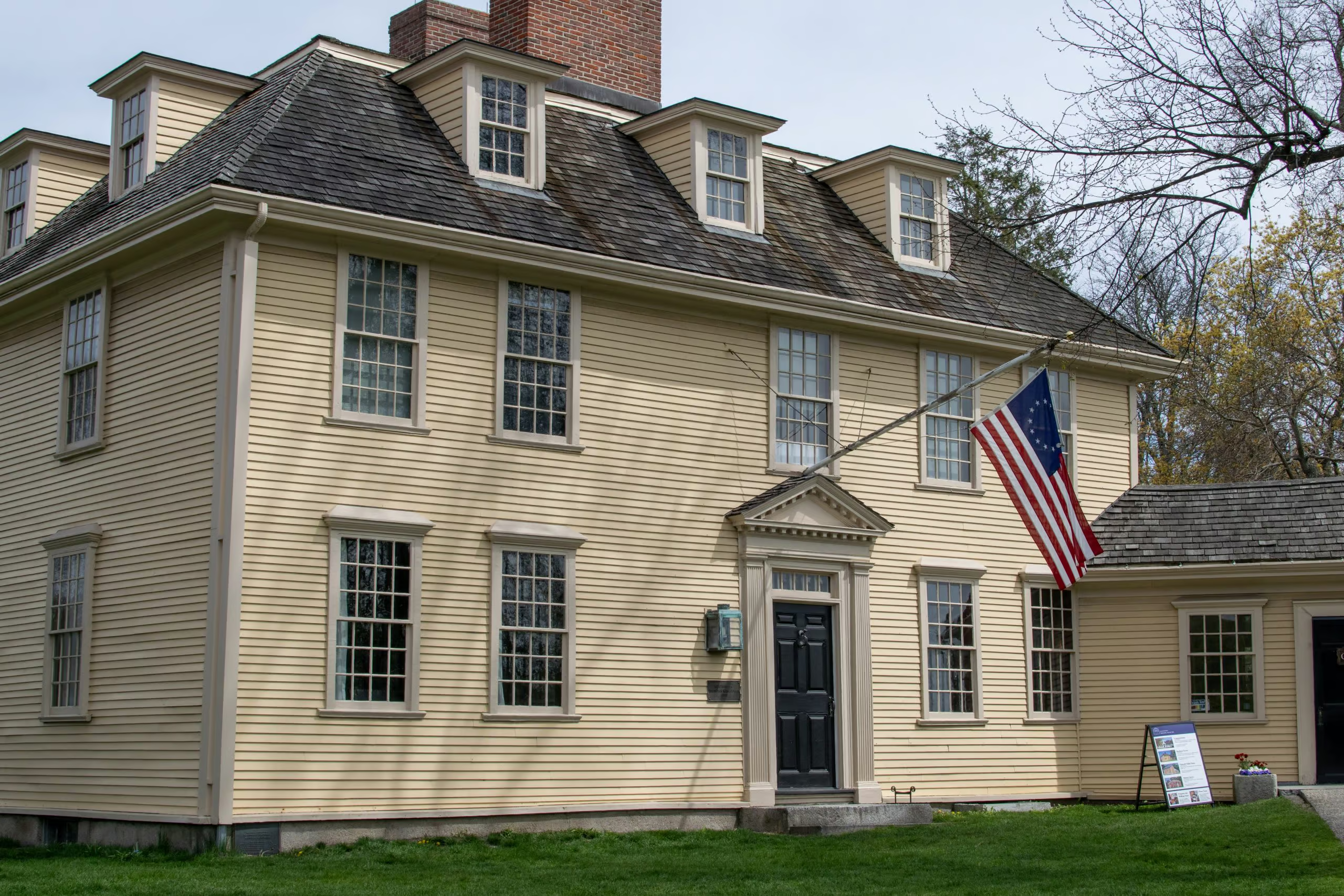
Buckman Tavern
Start just steps from the Lexington Battle Green at Buckman Tavern, one of the most significant historic buildings in town. Built around 1710, the tavern served as a gathering place for the Lexington militia in the early morning hours of April 19, 1775, as Captain John Parker and his men awaited the arrival of British troops.
Today, you can explore Buckman Tavern at your own pace with a self-guided audio tour. Period rooms and historic objects help bring 18th-century Lexington to life, while rotating exhibitions upstairs offer opportunities to dive deeper into the people and experiences that shaped the town.
Its location makes Buckman Tavern an especially easy addition to a day downtown: tour the museum, walk across to the Battle Green, and then continue exploring Lexington’s shops and restaurants.
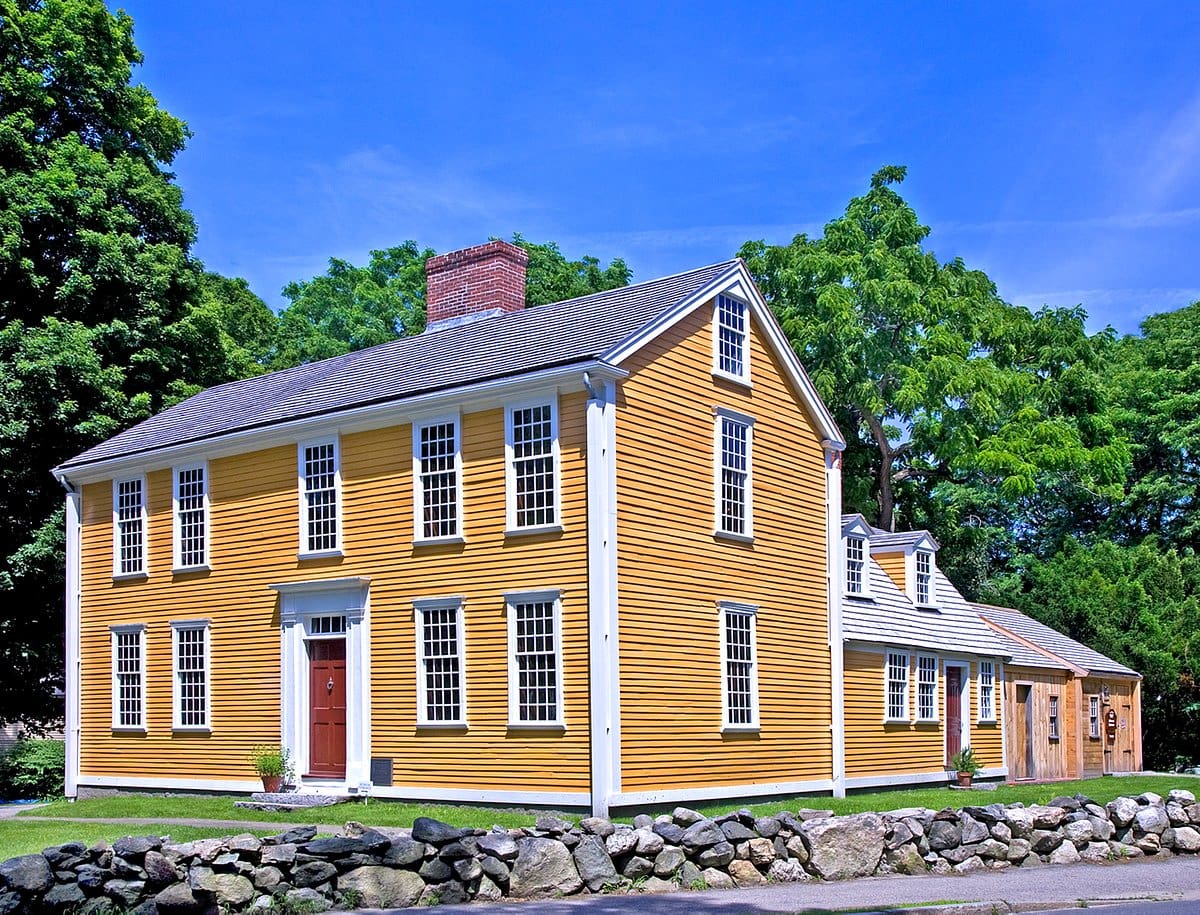
Hancock-Clarke House
For another perspective on the events leading up to the American Revolution, head to the Hancock-Clarke House. The home is best known as the destination of Paul Revere and William Dawes on the night of April 18, 1775, when they rode from Boston to warn John Hancock and Samuel Adams that British troops were on the move.
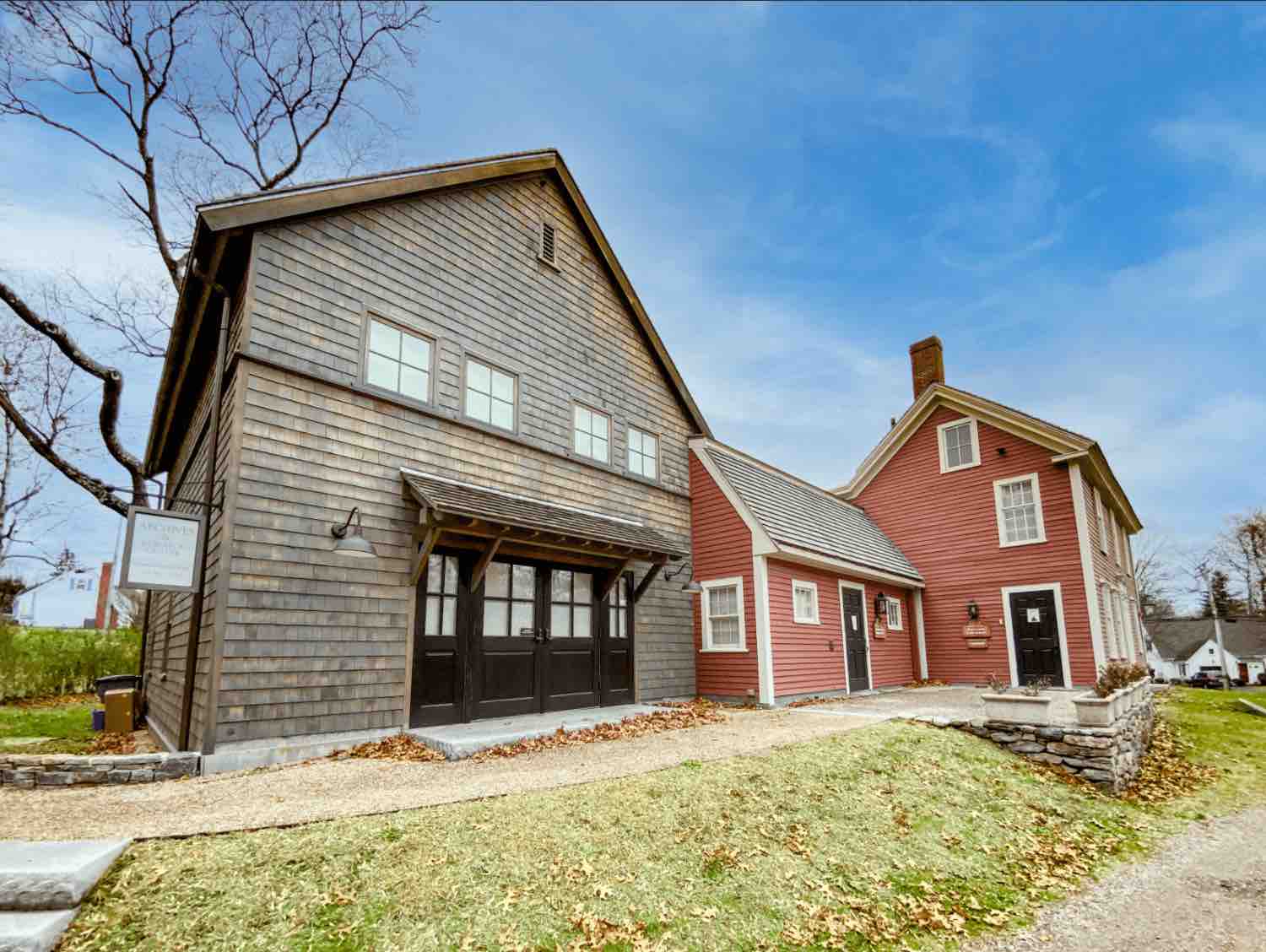
But there is more to the story here than one famous midnight ride. Lexington History Museums uses its historic properties to explore a broader range of experiences from Lexington’s past, and the Hancock-Clarke House features a permanent exhibition focused on slavery and freedom in Lexington during the 18th and early 19th centuries.
Together with Buckman Tavern and Munroe Tavern, this house museum helps tell the story of April 19, 1775 from multiple perspectives, while sharing a deeper understanding of the people behind the events you learned about in history class.
Munroe Tavern
Built in 1735, Munroe Tavern was commandeered by British troops during their retreat toward Boston following the fighting in Lexington and Concord. Exhibits on the first floor examine the day from the British perspective, while upstairs exhibitions share what it meant for an ordinary family to have its home suddenly occupied by soldiers.
Munroe Tavern also has a connection to another major figure in American history. George Washington dined here during his 1789 visit to Lexington, and you can see the room associated with his visit during your tour.
Scottish Rite Masonic Museum & Library
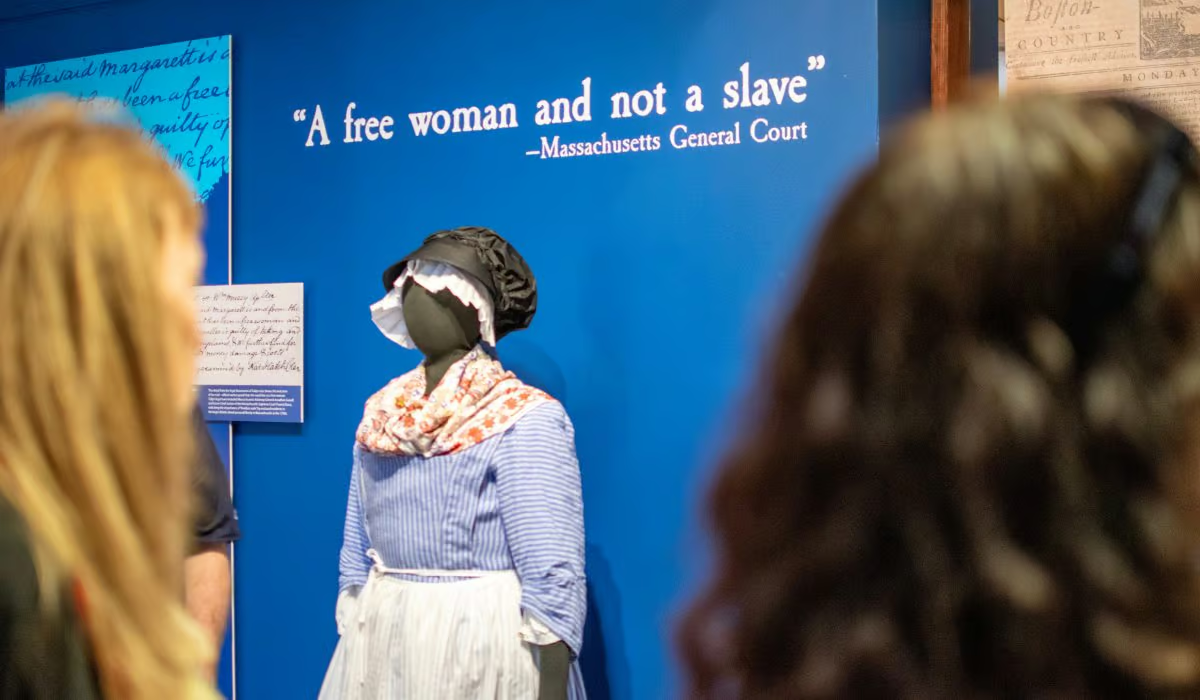
The Scottish Rite Masonic Museum & Library explores American history and culture through exhibitions and collections related to Freemasonry, fraternalism, and American history. Located on Marrett Road, the museum offers an interesting complement to Lexington’s historic houses, with objects, artwork, documents, and changing exhibitions that offer new perspectives on the country’s past.
A highlight for anyone exploring Lexington’s Revolutionary history is the exhibition Protest & Promise: The American Revolution in Lexington. Created to commemorate the 250th anniversary of April 19, 1775, the exhibition examines the tensions that led to the Revolution, the events that unfolded in Lexington and surrounding communities that day, and the ways Americans have remembered the beginning of the war over the past two and a half centuries.
Through historic images and objects, Protest & Promise also looks beyond the familiar names of the Revolution to the broader Lexington community. Among the objects on display are Paul Revere’s widely circulated engraving of the Boston Massacre, a circa-1775 canteen representative of the equipment carried by Massachusetts military units, and a bold 1975 poster illustrating how Lexington’s place in the Revolution was commemorated during the nation’s bicentennial.
Art Galleries and Creative Spaces in Lexington
After spending time immersed in Lexington’s history, switch gears and explore the town’s creative side. Lexington is home to an active arts community, with galleries, studios, exhibitions, and opportunities to see work by artists from the region and beyond.
Munroe Center for the Arts
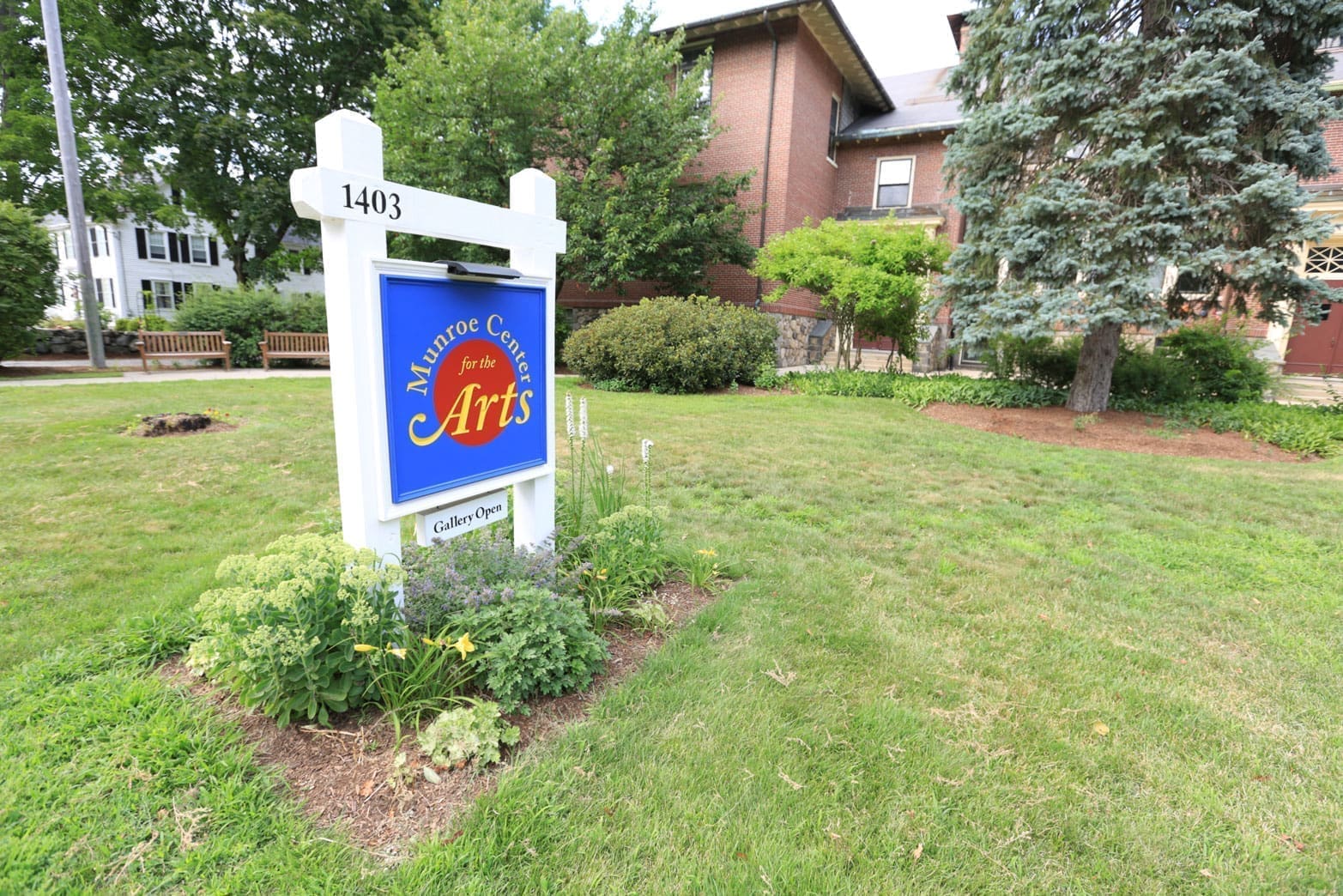
For another look at Lexington’s contemporary creative community, check out the Munroe Center for the Arts. Located on Massachusetts Avenue, the center brings together arts education, working artist studios, and community programming designed to make creativity accessible to all.
Check the center’s calendar before you go to see what exhibitions, events, or other programs might coincide with your trip.
LexArt
Just a short walk from Lexington Center, LexArt is a nonprofit community arts space with galleries, studios, classes, and events.
The gallery showcases work by local and visiting artists across a range of mediums, while LexArt’s studios support ceramics, metalworking, painting, weaving, and woodworking. Exhibitions change throughout the year, so there is often something new to see even if you’ve stopped in before. Gallery admission is free and open to the public.
Keep Exploring at Minute Man National Historical Park
Once you’ve explored Lexington’s museums, take the story outdoors at Minute Man National Historical Park.
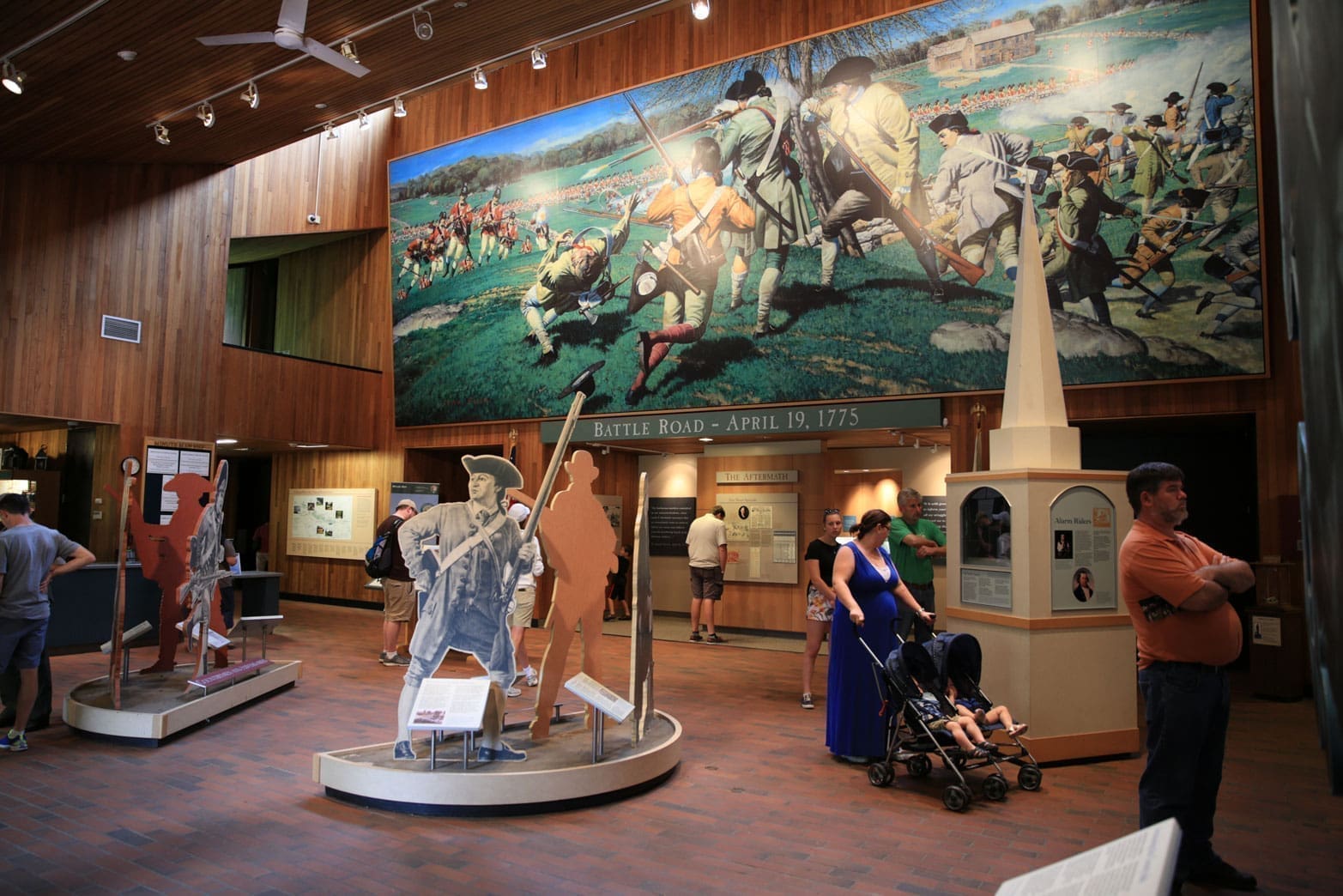
Spanning areas of Lexington, Lincoln, and Concord, the park preserves and interprets the landscapes where the opening battles of the American Revolution unfolded. You can walk or bike sections of the five-mile Battle Road Trail, explore historic sites, join seasonal ranger programs, or stop at the Minute Man Visitor Center for exhibits and the immersive Road to Revolution multimedia presentation.
The park grounds and trails are open year-round from sunrise to sunset, while visitor centers and many interpretive buildings operate seasonally. Check the National Park Service’s current hours and program schedule before setting out.
From the rooms where revolutionaries gathered to contemporary galleries filled with work by local artists, Lexington’s museums have something for nearly every interest.
Find more museums, historic sites, and monuments around town and start planning your visit here.